

Perseverance is the ability to continue despite difficulty, delay, failure, or opposition. English does not have a large, fixed set of conventional similes that mean only “persevering,” so it is important not to invent expressions simply to reach a target number. The language does, however, offer several genuine and recognizable comparisons that can describe persistence, determination, endurance, or the refusal to give up.
This article separates metaphors from similes because the two forms work differently. A metaphor directly identifies one thing with another, while a simile makes the comparison using words such as like or as. Some expressions below are established idioms in their own right, while others use familiar, conventional comparison patterns to describe perseverance clearly and naturally.
The result is a verified set of 15 similes for perseverance, along with a smaller separate group of closely related metaphors. The metaphors are included because they are useful ways to describe the same quality, but they are not counted as similes.
For engaging classroom comparisons, Similes for Students With Meanings and Examples can make figurative language easier to understand.
What Makes a Perseverance Simile Work?
A simile compares a person’s persistence or determination with something known for strength, endurance, steadiness, or relentless action.
For example, he held on like a bulldog compares a person’s refusal to let go with the determined grip associated with a bulldog. The comparison is explicit because it uses like.
A metaphor removes the comparison word and makes a direct identification instead. Calling someone a bulldog for their determination is therefore metaphorical.
The distinction matters because an expression does not become a simile merely because it creates a vivid image. The grammatical form must actually contain an explicit comparison.
Metaphors for Perseverance
The following are genuine metaphorical expressions or established figurative uses connected with persistence and determination. They are separate from the 15 similes below.
Bulldog

Calling someone a bulldog can metaphorically suggest tenacity, determination, and a refusal to give up. The image is based on the dog’s popularly associated persistence and grip.
For example: Once Maya starts investigating a problem, she’s a bulldog.
This is a metaphor because Maya is directly called a bulldog. By contrast, Maya is tenacious like a bulldog is a simile.
A Fighter
A fighter is commonly used figuratively for a person who continues struggling against difficulties, setbacks, or adversity.
For example: Even after several setbacks, he remained a fighter.
The expression is especially common when describing determination in difficult circumstances.
A Marathoner
A marathoner can function metaphorically to describe someone suited to sustained effort rather than quick results.
For example: Building the company required patience, and she proved to be a marathoner.
This metaphor works particularly well when perseverance involves a long process.
Writers can avoid common errors by understanding Tweek vs Tweak With Examples and Correct Usage in everyday writing.
A Workhorse
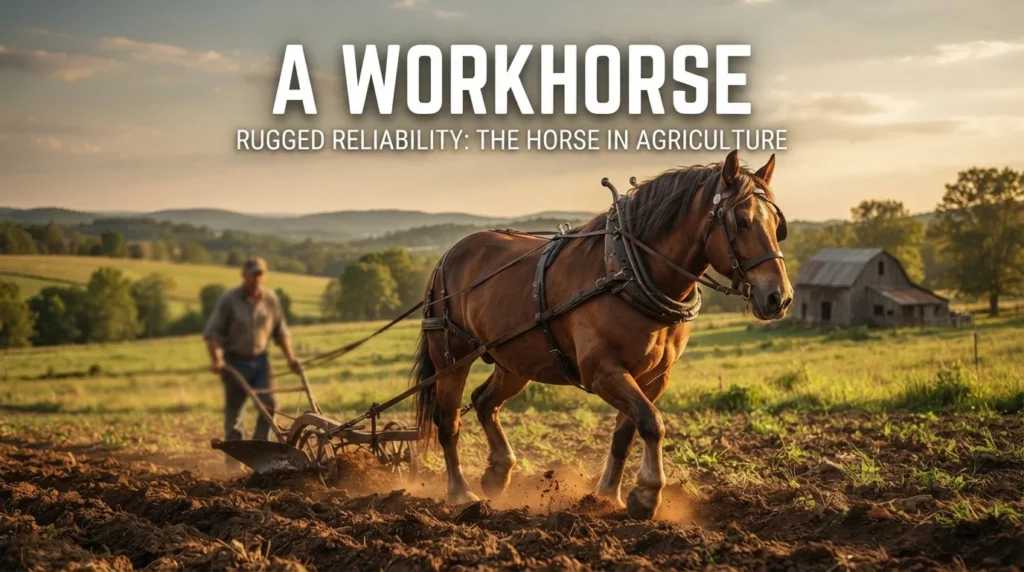
A workhorse is often used figuratively for a person or thing that performs a large amount of sustained, dependable work.
For example: She became the workhorse of the research team.
The emphasis is usually on endurance and reliability rather than emotional determination alone.
An Iron Will
The phrase an iron will is a conventional metaphor for extremely strong determination.
For example: It took an iron will to continue after so many disappointments.
Here, iron represents strength and resistance rather than literal material.
15 Similes for Perseverance
1. Like a Bulldog
Like a bulldog is a familiar comparison for someone who is determined, tenacious, or unwilling to let go of a task or objective.
For example: She pursued the missing evidence like a bulldog.
The expression can sound forceful, so it is often used for determined effort, investigation, competition, or argument.
2. Tenacious as a Bulldog
This as…as form makes the comparison more explicit by directly emphasizing tenacity.
For example: He was as tenacious as a bulldog when solving the problem.
It is most natural when the surrounding context already makes persistence the main idea.
3. Like a Dog with a Bone
The idiom like a dog with a bone describes someone who refuses to stop pursuing, discussing, or working on something.
For example: Once she noticed the error, she went after the answer like a dog with a bone.
The comparison can praise persistence, although it can also suggest excessive stubbornness or an inability to let an issue go.
4. Like a Dog on a Bone
A related form, like a dog on a bone, is also used to describe persistent attention to something.
For example: The journalist stayed on the story like a dog on a bone.
Usage varies by region and speaker, but the image carries the same general idea of determined attachment or pursuit.
5. Like a Terrier
Terriers are commonly associated in figurative English with energy and tenacity. Describing someone as working or pursuing something like a terrier creates a familiar image of determined persistence.
For example: He dug into the records like a terrier.
This comparison often suggests energetic, sometimes relentless, effort.
6. Like a Terrier After a Rat
The longer comparison like a terrier after a rat is used for intense and determined pursuit.
For example: The lawyer went after every inconsistency like a terrier after a rat.
Because the image is vivid and aggressive, it is better suited to informal or expressive writing than highly formal prose.
7. Like a Pit Bull
Like a pit bull is sometimes used figuratively for relentless determination or refusal to release a goal or argument.
For example: She held on to the project like a pit bull.
Because the comparison depends on a strong cultural stereotype about the breed, it can sound harsh. It may also carry negative associations, so it should be used with care.
8. Like a Marathon Runner
A person can be compared to a marathon runner when their perseverance depends on sustained effort over a long period.
For example: Research is not a sprint, and she approached it like a marathon runner.
This simile is especially useful when contrasting patience and endurance with quick results.
9. Like a Marathoner
Like a marathoner is a shorter version of the same comparison.
For example: He paced himself through the long project like a marathoner.
The image emphasizes endurance, patience, and the ability to continue over distance or time.
10. Like a Workhorse
The simile like a workhorse describes sustained, dependable effort.
For example: She worked like a workhorse until the deadline was met.
This is generally informal or neutral and is particularly useful when perseverance involves continuous labor.
11. Like a Machine
Working like a machine can describe relentless, efficient, and sustained effort.
For example: For weeks, he worked like a machine to finish the manuscript.
The expression emphasizes consistency and tireless activity, although it may also suggest mechanical or emotionless behavior.
12. Like Clockwork
Like clockwork usually means with regularity, predictability, or dependable timing rather than perseverance alone. However, it can describe steady, repeated effort when the context clearly involves persistence.
For example: Every morning, she returned to the practice room like clockwork.
This expression should not automatically be treated as a synonym for determination. Its primary idea is regularity.
13. Steady as a Rock
Steady as a rock is a conventional comparison for firmness and dependability. In the right context, it can describe perseverance by emphasizing a person’s ability to remain committed despite pressure.
For example: Through every setback, she remained as steady as a rock.
The expression focuses more on stability than relentless effort.
14. Firm as a Rock
Firm as a rock describes strong resolve or an unchanging position.
For example: He was as firm as a rock in his determination to continue.
Because the simile highlights firmness, it works best when perseverance is connected with resolve or commitment.
15. Like a Rock
Like a rock can describe someone who remains strong, dependable, or unmoved during difficulty.
For example: She stood by her decision like a rock despite the criticism.
The expression is broad, so context is necessary if you specifically want readers to understand it as perseverance.
When and How to Use These Similes
The best simile depends on the kind of perseverance you want to describe.
For relentless pursuit, expressions involving a bulldog, terrier, or dog with a bone are especially effective. They suggest someone who will not release a problem, goal, or line of inquiry.
For long-term endurance, like a marathon runner and like a marathoner are usually clearer choices. They imply pacing, patience, and sustained effort over time.
For continuous hard work, like a workhorse or like a machine may fit better.
More formal writing usually benefits from restraint. A sentence such as She showed the endurance of a marathon runner may sound more polished than a highly colloquial animal comparison. Informal conversation, journalism, and creative writing allow stronger imagery.
Common Mistakes and Confusions
Confusing a Metaphor with a Simile
She is a bulldog is a metaphor.
She is persistent like a bulldog is a simile.
The difference is the explicit comparison.
Treating Every Comparison as a Fixed Idiom
Not every phrase containing like or as is a fixed dictionary idiom. Some are ordinary comparisons built from familiar images. A comparison can still be natural English without being a formal idiom.
Assuming All Persistence Is Positive
Expressions such as like a dog with a bone can describe admirable determination, but they can also imply annoyance, obsession, or stubbornness.
Consider the context before using them as praise.
Using Like Clockwork to Mean Determined
Like clockwork primarily refers to regularity and predictability. It can support the idea of perseverance in context, but it does not literally mean “determined.”
Overusing Animal Comparisons
Bulldogs, terriers, and similar images are vivid, but repeating several animal similes in the same passage can make the writing feel exaggerated. Choose the one that best matches the situation.
Summary
English offers several useful similes for perseverance, but they do not all express exactly the same kind of persistence. Like a dog with a bone suggests relentless pursuit, like a marathon runner emphasizes long-term endurance, and like a workhorse focuses on sustained effort. Choosing the right comparison depends on whether you want to highlight determination, steadiness, stamina, or sheer hard work.
FAQs
What is the best simile for perseverance?
Like a marathon runner is one of the clearest choices when perseverance means continuing through a long and difficult process. For relentless determination, like a dog with a bone is often more vivid.
Is “as stubborn as a mule” a simile for perseverance?
It is a genuine and well-known simile, but it primarily describes stubbornness rather than admirable perseverance. The two qualities can overlap, but they are not identical.
Is “like a dog with a bone” positive or negative?
It can be either. The phrase may praise someone for refusing to give up, or criticize them for pursuing an issue too aggressively or for too long.
What simile describes long-term perseverance?
Like a marathon runner works well because a marathon naturally represents sustained effort, pacing, and endurance over a long distance.
Can I use “steady as a rock” to describe perseverance?
Yes, especially when perseverance means remaining firm and committed during difficulty. However, the simile more directly emphasizes stability and dependability.
Is “like clockwork” a simile for determination?
Not primarily. It normally describes something that happens regularly or predictably. It can support a description of persistent effort when context makes that meaning clear.
What is the difference between perseverance and stubbornness?
Perseverance generally means continuing toward a worthwhile goal despite difficulty. Stubbornness means refusing to change one’s position or behavior, even when change may be reasonable.
Are metaphors and similes the same?
No. A metaphor makes a direct comparison by stating that one thing is another, while a simile compares things using words such as like or as.









3 thoughts on “15 Similes for Perseverance Explained”