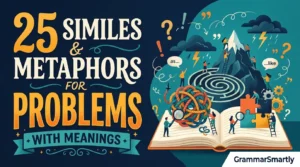
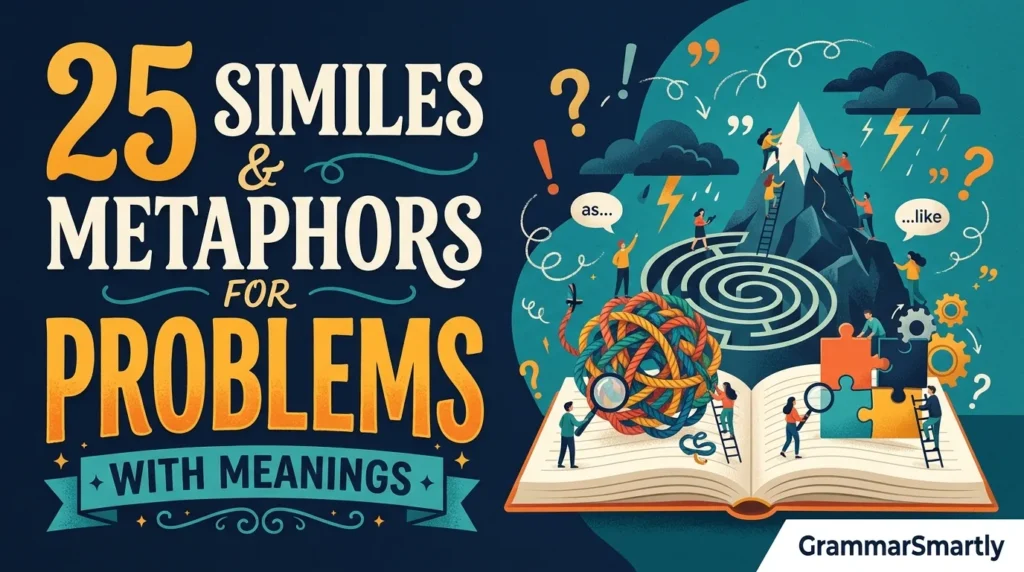
Problems are a part of everyday life. Whether you are dealing with personal difficulties, workplace challenges, financial troubles, or unexpected situations, figurative language can help you describe them more clearly. Similes for problems make difficult situations easier to visualize by comparing them to familiar experiences and objects.
Similes and metaphors can make your writing more expressive, interesting, and meaningful. They help readers understand how complicated, frustrating, overwhelming, or challenging a situation can be. In this article, you will discover 25 similes and 25 metaphors for problems, each with a simple meaning and an example sentence.
What Is the Difference Between Similes and Metaphors?
A simile is a figure of speech that compares two different things using words such as “like” or “as.” It helps readers imagine a situation by connecting it to something familiar.
Example: Solving the problem was like climbing a steep mountain.
This simile compares a difficult problem to climbing a mountain, suggesting that it requires considerable effort.
A metaphor directly describes one thing as another without using “like” or “as.”
Example: The problem was a mountain standing in our way.
This metaphor presents the problem as a mountain, emphasizing how difficult it is to overcome.
The main difference is that a simile makes an explicit comparison, while a metaphor describes something as if it were something else.
25 Similes for Problems
Here are 25 similes that describe different types of problems, from minor inconveniences to overwhelming challenges. Some are familiar figurative expressions, while others are original comparisons that can be useful in creative writing.
You can learn more about similes for loneliness with meanings and examples to understand how figurative comparisons express isolation, sadness, and the feeling of being alone.
1. Like a Thorn in Your Side

- Meaning: Something that continually causes irritation, frustration, or difficulty.
- Example: The unresolved disagreement was like a thorn in his side throughout the project.
2. Like Climbing a Steep Mountain
- Meaning: A problem that requires considerable effort, patience, and determination to overcome.
- Example: Completing the complicated assignment was like climbing a steep mountain.
3. Like a Tangled Ball of String
- Meaning: A complicated situation in which different issues are connected and difficult to separate.
- Example: The company’s financial troubles were like a tangled ball of string.
4. Like Walking Through a Minefield
- Meaning: A situation filled with potential dangers, mistakes, or unexpected difficulties.
- Example: Negotiating with the angry clients was like walking through a minefield.
5. Like a Never-Ending Maze
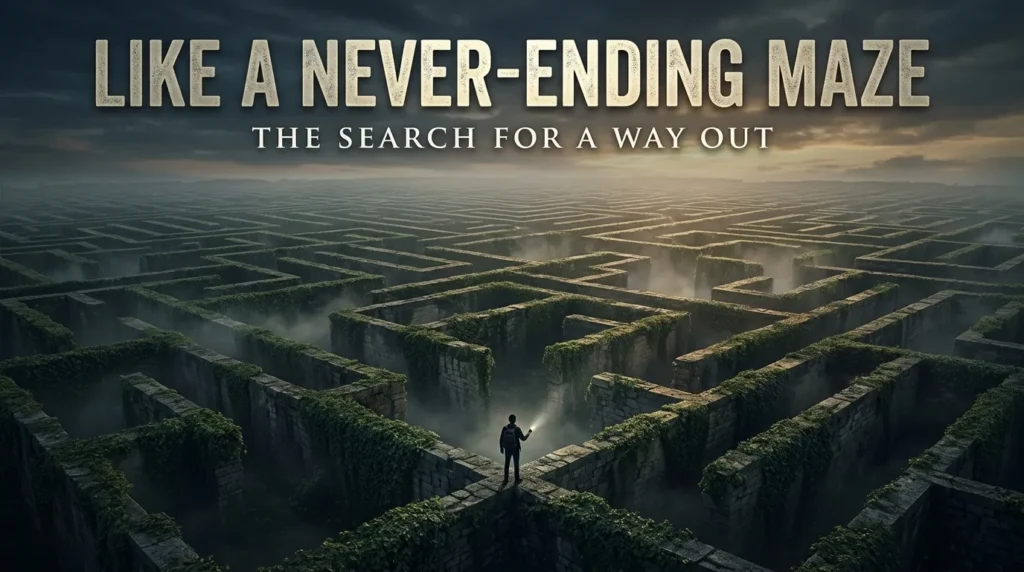
- Meaning: A confusing problem with no obvious solution or clear way forward.
- Example: Understanding the complicated legal requirements was like navigating a never-ending maze.
6. Like Pulling Teeth
- Meaning: Something extremely difficult, frustrating, or unpleasant to accomplish.
- Example: Getting everyone to agree on a solution was like pulling teeth.
7. Like a Snowball Rolling Downhill
- Meaning: A small problem that gradually becomes bigger and more difficult to control.
- Example: One missed payment became like a snowball rolling downhill as additional fees accumulated.
8. Like a House of Cards
- Meaning: A fragile situation that could collapse because of one small mistake or unexpected event.
- Example: Their financial plan was like a house of cards, ready to collapse after one unexpected expense.
9. Like Hitting a Brick Wall
- Meaning: Experiencing an obstacle that prevents further progress.
- Example: Despite several attempts, finding a solution to the technical problem felt like hitting a brick wall.
10. Like Searching for a Needle in a Haystack
- Meaning: Trying to find something extremely difficult to locate among many possibilities.
- Example: Finding the cause of the computer error was like searching for a needle in a haystack.
11. Like Juggling Too Many Balls
- Meaning: Trying to manage several problems or responsibilities simultaneously.
- Example: Managing work, family responsibilities, and unexpected expenses was like juggling too many balls.
12. Like Being Stuck in Quicksand
- Meaning: Being trapped in a difficult situation that becomes worse with every attempt to escape.
- Example: The more he tried to fix the financial problem, the more he felt like he was stuck in quicksand.
13. Like Opening Pandora’s Box
- Meaning: Starting something that unexpectedly creates many additional problems.
- Example: Investigating the missing documents was like opening Pandora’s box because it revealed several other issues.
14. Like Carrying a Heavy Backpack
- Meaning: Dealing with a problem that creates a constant emotional or mental burden.
- Example: Keeping the family disagreement a secret was like carrying a heavy backpack every day.
15. Like Trying to Solve a Puzzle With Missing Pieces
- Meaning: Attempting to resolve a problem without having all the necessary information.
- Example: Investigating the accident was like solving a puzzle with missing pieces.
16. Like Chasing Your Own Tail
- Meaning: Repeatedly making efforts without achieving meaningful progress.
- Example: The team kept changing its strategy without fixing the issue, like chasing its own tail.
17. Like Fighting a Losing Battle
- Meaning: Struggling against a problem that seems impossible to overcome.
- Example: Trying to save the failing business without additional funding was like fighting a losing battle.
18. Like Trying to Put Out a Fire With a Cup of Water
- Meaning: Attempting to solve a major problem with an effort that is far too small.
- Example: Their small budget was like trying to put out a fire with a cup of water when dealing with the company’s massive debts.
19. Like Walking on Thin Ice
- Meaning: Being in a risky situation where one wrong move could create serious trouble.
- Example: After ignoring several warnings, the manager was like someone walking on thin ice.
20. Like a Puzzle With Too Many Pieces
- Meaning: A complicated situation involving many details that are difficult to understand together.
- Example: Organizing the conflicting reports was like working on a puzzle with too many pieces.
21. Like a Storm That Will Not Pass
- Meaning: A difficult period that continues for a long time without relief.
- Example: The family’s financial difficulties felt like a storm that would not pass.
22. Like Trying to Untie a Knot With Gloves On
- Meaning: Attempting to solve a complicated problem under frustrating or difficult conditions.
- Example: Fixing the outdated software was like trying to untie a knot with gloves on.
23. Like a Leaky Bucket
- Meaning: A situation in which efforts or resources are continually wasted because the underlying problem remains.
- Example: Paying new bills without controlling unnecessary spending was like pouring water into a leaky bucket.
24. Like Trying to Cross a River Against the Current
- Meaning: Facing difficulties while working against unfavorable circumstances.
- Example: Starting a business without enough resources was like trying to cross a river against the current.
25. Like Being Trapped Between a Rock and a Hard Place
- Meaning: Facing two difficult choices with no easy or satisfactory solution.
- Example: Choosing between losing his job and relocating his family was like being trapped between a rock and a hard place.
25 Metaphors for Problems
Metaphors describe problems directly by presenting them as obstacles, burdens, dangerous situations, or complicated objects. These expressions help communicate the seriousness and nature of different challenges.
1. A Mountain to Climb
- Meaning: A major challenge that requires considerable effort, patience, and determination.
- Example: Recovering from the company’s financial losses was a mountain to climb.
2. A Thorn in Your Side
- Meaning: A persistent problem that causes ongoing irritation or difficulty.
- Example: The unresolved customer complaints became a thorn in the manager’s side.
3. A Roadblock
- Meaning: An obstacle that prevents someone from making progress.
- Example: The lack of funding was a major roadblock to completing the project.
4. An Uphill Battle
- Meaning: A difficult struggle that requires continuous effort to achieve success.
- Example: Convincing the board to approve the proposal was an uphill battle.
5. A Can of Worms
- Meaning: A complicated situation that creates several additional problems when investigated or addressed.
- Example: The investigation opened a can of worms for the entire organization.
6. A Pandora’s Box
- Meaning: A situation that releases numerous unexpected difficulties and complications.
- Example: The careless decision opened a Pandora’s box of financial problems.
7. A Ticking Time Bomb
- Meaning: A serious problem that is likely to cause trouble if it is not addressed quickly.
- Example: The company’s growing debt was a ticking time bomb.
You can also explore common similes used to describe the sun to understand how writers use familiar comparisons to create vivid descriptions of nature.
8. A Mountain of Trouble
- Meaning: A large number of serious difficulties that seem overwhelming.
- Example: Ignoring the warning signs left the business facing a mountain of trouble.
9. A Maze Without an Exit
- Meaning: A confusing problem that offers no obvious solution or way forward.
- Example: The complicated insurance dispute became a maze without an exit.
10. A Tangled Knot
- Meaning: A complicated problem involving several connected issues that are difficult to resolve.
- Example: The disagreement between the business partners was a tangled knot of misunderstandings.
11. A Dark Cloud
- Meaning: A problem or unpleasant situation that creates worry and uncertainty.
- Example: The possibility of losing their home was a dark cloud hanging over the family.
12. A Heavy Burden
- Meaning: A problem that creates significant emotional, financial, or mental pressure.
- Example: Supporting the entire family alone became a heavy burden for him.
13. A Puzzle With Missing Pieces
- Meaning: A complicated situation that cannot be fully understood because important information is missing.
- Example: The investigation remained a puzzle with missing pieces.
14. A Chain Reaction
- Meaning: One problem that causes a series of additional problems.
- Example: The delayed delivery started a chain reaction of scheduling problems.
15. A Growing Snowball
- Meaning: A small difficulty that gradually develops into a much bigger problem.
- Example: The unpaid bills became a growing snowball of financial trouble.
16. A House of Cards
- Meaning: A fragile situation that can collapse because of one mistake or unexpected event.
- Example: Their business strategy was a house of cards built on unrealistic expectations.
17. A Bottleneck
- Meaning: A point of difficulty that slows down or prevents progress.
- Example: The shortage of skilled workers became a bottleneck in the production process.
18. A Dead End
- Meaning: A situation in which progress becomes impossible and no useful solution appears available.
- Example: Their current negotiation strategy was a dead end.
19. A Hurdle
- Meaning: An obstacle or difficulty that must be overcome to achieve something.
- Example: The unexpected examination results were another hurdle in her academic journey.
20. A Brick Wall
- Meaning: A serious obstacle that makes further progress extremely difficult.
- Example: The lack of reliable evidence was a brick wall in the investigation.
21. A Minefield
- Meaning: A dangerous or complicated situation in which mistakes can have serious consequences.
- Example: Managing the company’s legal disputes was a minefield of potential complications.
22. A Tightrope
- Meaning: A difficult situation that requires careful decisions to avoid serious consequences.
- Example: Balancing customer expectations with limited resources was a tightrope for the business owner.
23. A Tangled Web
- Meaning: A complicated network of connected problems, misunderstandings, or disagreements.
- Example: The dishonest agreements created a tangled web of legal problems.
24. A Vicious Cycle
- Meaning: A repeating pattern in which one problem causes another, making the original situation worse.
- Example: Borrowing money to repay existing debts created a vicious cycle of financial trouble.
25. A Storm of Difficulties
- Meaning: A situation involving several problems or challenges occurring at the same time.
- Example: The small business faced a storm of difficulties after losing its biggest customer.
How to Use Similes and Metaphors for Problems Effectively
Similes and metaphors can make descriptions of difficult situations more meaningful. However, choosing the right expression depends on the type of problem, its seriousness, and the message you want to communicate.
- In creative writing and storytelling: Use expressions such as “like climbing a steep mountain” to describe a character’s struggle or “an uphill battle” to show how difficult their journey has become.
- In descriptive essays: Use comparisons such as “like a tangled ball of string” to explain complicated situations involving several connected issues.
- In everyday conversations: Choose familiar expressions such as “a thorn in my side,” “a roadblock,” or “a heavy burden” to explain personal and professional difficulties naturally.
- In poetry: Use imaginative comparisons to communicate the emotional weight of problems. For example, describing sadness as a dark cloud can create a strong mental image.
- Match expressions with the situation: Use “a ticking time bomb” for an urgent problem, “a vicious cycle” for recurring difficulties, and “a dead end” when progress seems impossible.
- Avoid exaggeration: Not every small inconvenience is a mountain of trouble. Choose expressions that accurately reflect the seriousness of the situation.
- Avoid repeating the same imagery: Using too many comparisons about mountains, storms, or obstacles can make your writing repetitive. Mix different types of figurative language to keep your descriptions interesting.
Why Are Similes and Metaphors Useful for Problems?
Similes and metaphors help readers understand complicated situations by connecting abstract difficulties to familiar experiences. Instead of simply saying that something is difficult, you can create a clearer mental picture of the challenge.
For example, saying “The financial problem was a heavy burden” communicates the emotional pressure of financial difficulties. Similarly, describing a complicated investigation as “a maze without an exit” helps readers imagine how confusing and frustrating the situation can be.
These expressions are useful in essays, stories, speeches, conversations, and other forms of writing. They also help writers communicate the intensity of a problem without relying on long explanations.
Learning different similes and metaphors for problems allows you to describe challenges more accurately, express emotions effectively, and make your writing more engaging.
Conclusion
Similes and metaphors for problems make it easier to describe difficult situations, unexpected obstacles, and personal struggles. Similes use comparisons with words such as “like” and “as,” while metaphors describe problems directly as something else.
Whether you are writing an essay, creating a story, or having an everyday conversation, expressions such as “like climbing a steep mountain,” “a thorn in your side,” and “a vicious cycle” can make your message clearer and more expressive. Choose comparisons that match the situation and communicate exactly what you mean.
Frequently Asked Questions
What is a simile for problems?
A simile for problems is a comparison that describes a difficult situation using “like” or “as.” For example, “The problem was like climbing a steep mountain” compares a challenging situation to a difficult climb.
What is a metaphor for problems?
A metaphor for problems directly describes a difficulty as something else. For example, “The problem was a mountain to climb” presents the challenge as a mountain that requires effort to overcome.
What are some common similes for difficult problems?
Some useful similes include “like hitting a brick wall,” “like walking through a minefield,” “like pulling teeth,” and “like being stuck in quicksand.”
What is a good metaphor for a complicated problem?
“A tangled knot” is a useful metaphor for a complicated problem because it suggests that several connected issues make the situation difficult to resolve.
What is a simile for a problem that keeps getting worse?
“Like a snowball rolling downhill” is a suitable simile for a problem that gradually becomes bigger and more difficult to control.
What metaphor describes a problem that has no solution?
“A dead end” is a common metaphor for a situation in which no obvious solution or further progress is possible.
How can similes and metaphors make problems easier to describe?
They connect difficult or abstract situations to familiar objects and experiences. This helps readers visualize challenges, understand emotions, and recognize the seriousness of a situation.
Can I use similes and metaphors for problems in academic writing?
Yes. You can use them in essays, creative assignments, and descriptive writing when they support your message. However, formal academic writing should prioritize clarity and avoid excessive figurative language.